
Understanding What the Islamic Garments for Men Are
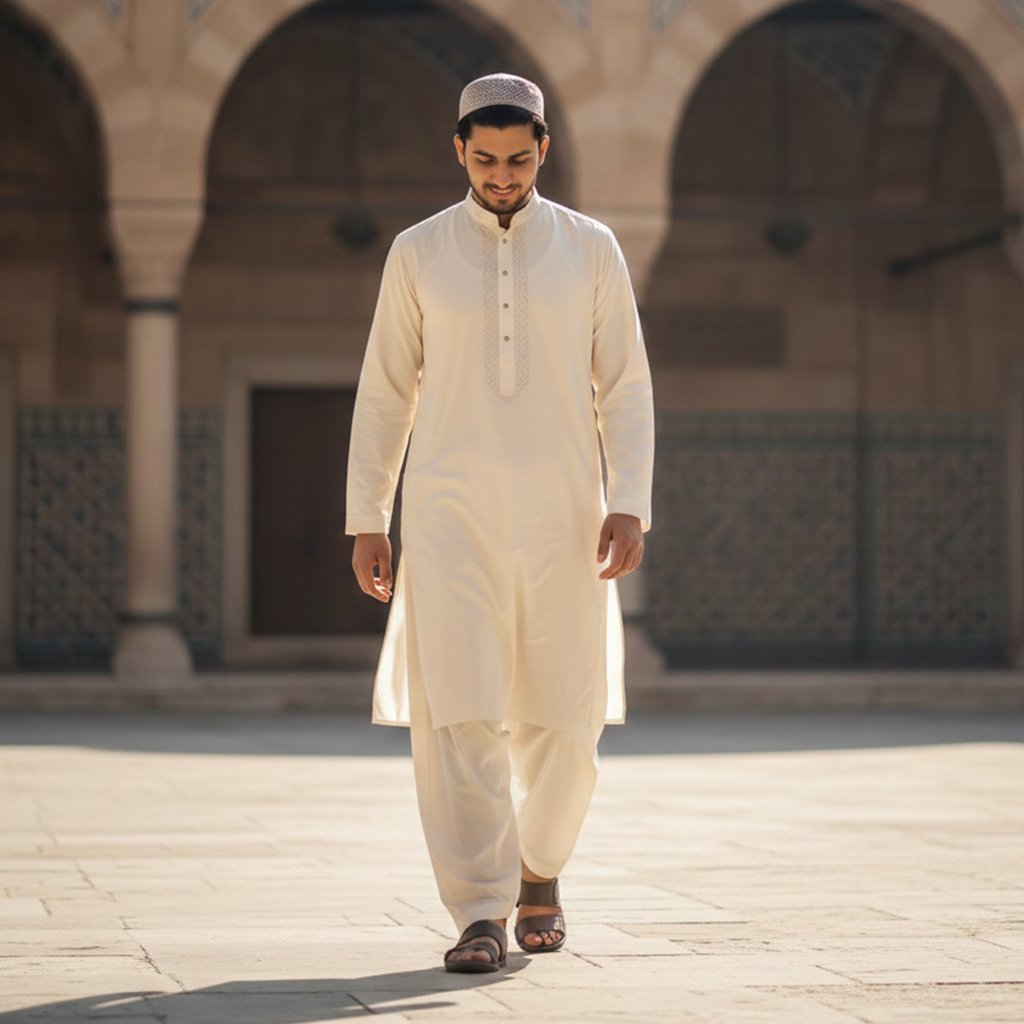
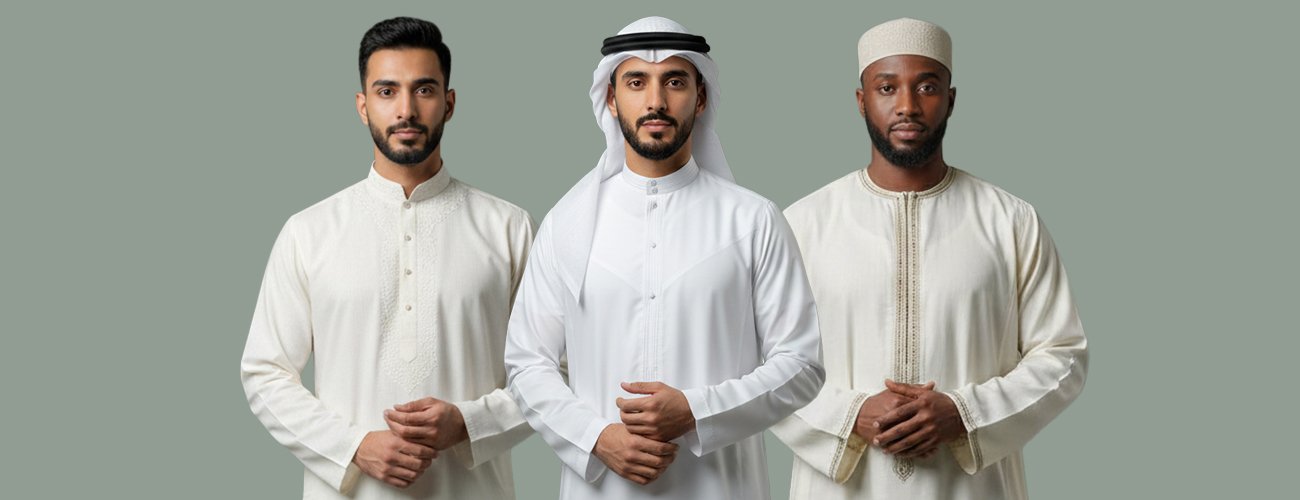
Islamic garments for men reflect the core values of modesty, simplicity, and dignity emphasized in Islamic teachings. These clothes are designed to cover the body respectfully without excess ornamentation as they encourage humility and ethical conduct. Beyond religious guidance, men’s Islamic clothing also expresses cultural identity. These garments have been shaped by regional climates, traditions, and social norms across the Muslim world.
Importantly, these garments are not limited to prayers or religious events. They are worn daily because they are practical, comfortable, and socially appropriate. Over time, Islamic dress has become a natural part of everyday life, blending faith, function, and cultural continuity.
A key feature of Islamic men’s clothing is its loose-fitting design, which allows freedom of movement and ensures modesty at all times. Garments are typically made from breathable, opaque fabrics, making them comfortable for long wear and suitable for performing daily prayers (salah). Practicality is central: Islamic garments are designed to support both spiritual obligations and routine activities without compromise.
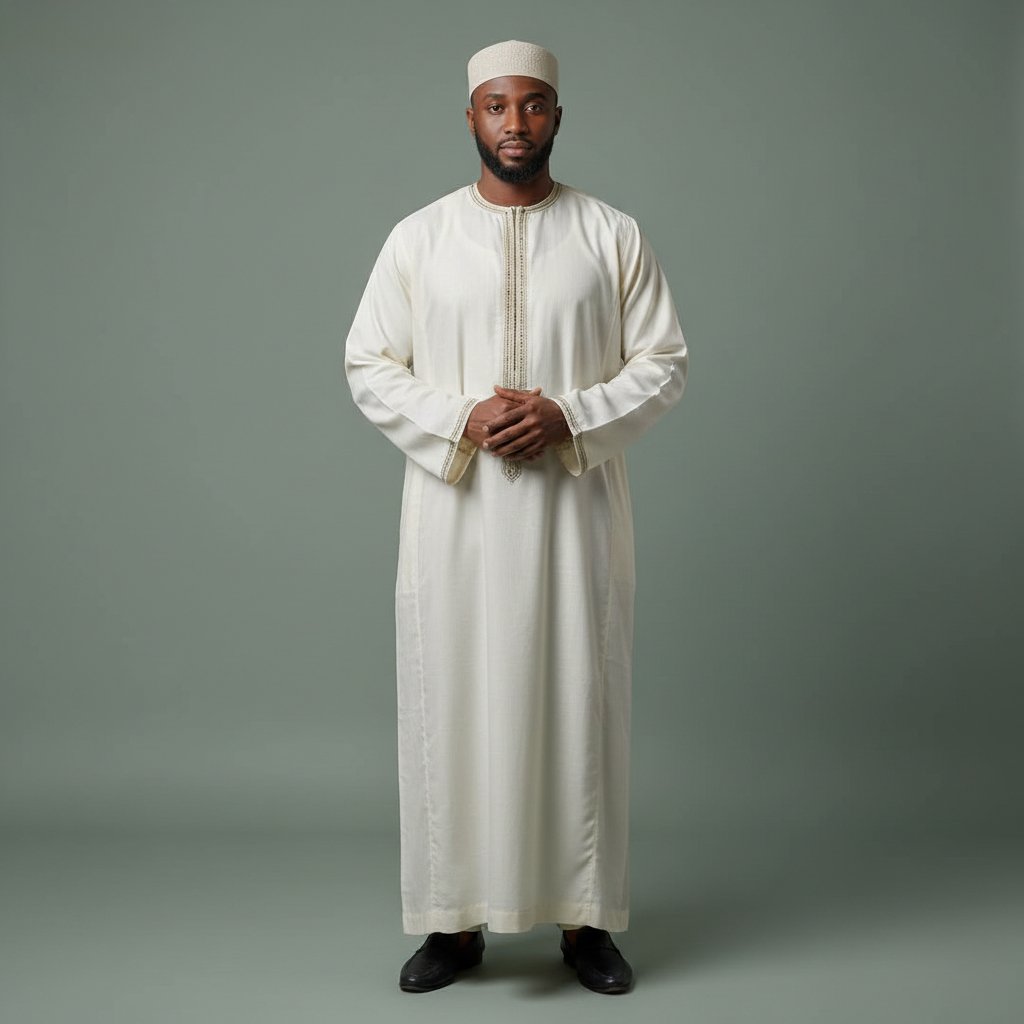
It’s important to note that Islamic clothing is not a single, uniform style. Instead, it varies widely based on region, climate, and cultural traditions. For example, the thobe is common in Saudi Arabia and the Gulf, the shalwar kameez is widely worn in South Asia, and the jalabiya is popular in parts of North Africa.
Common Types of Islamic Garments for Men
Thobe (Also Known as Jubba or Dishdasha)
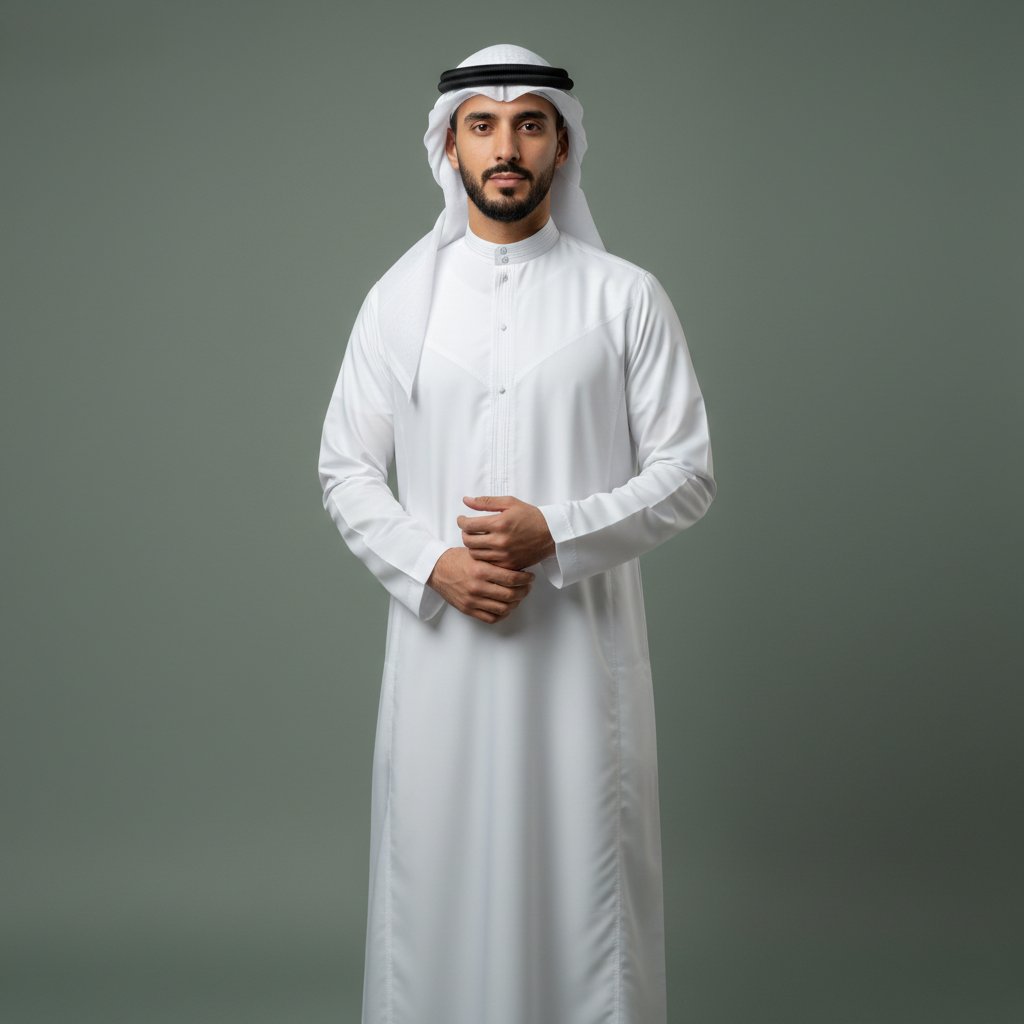
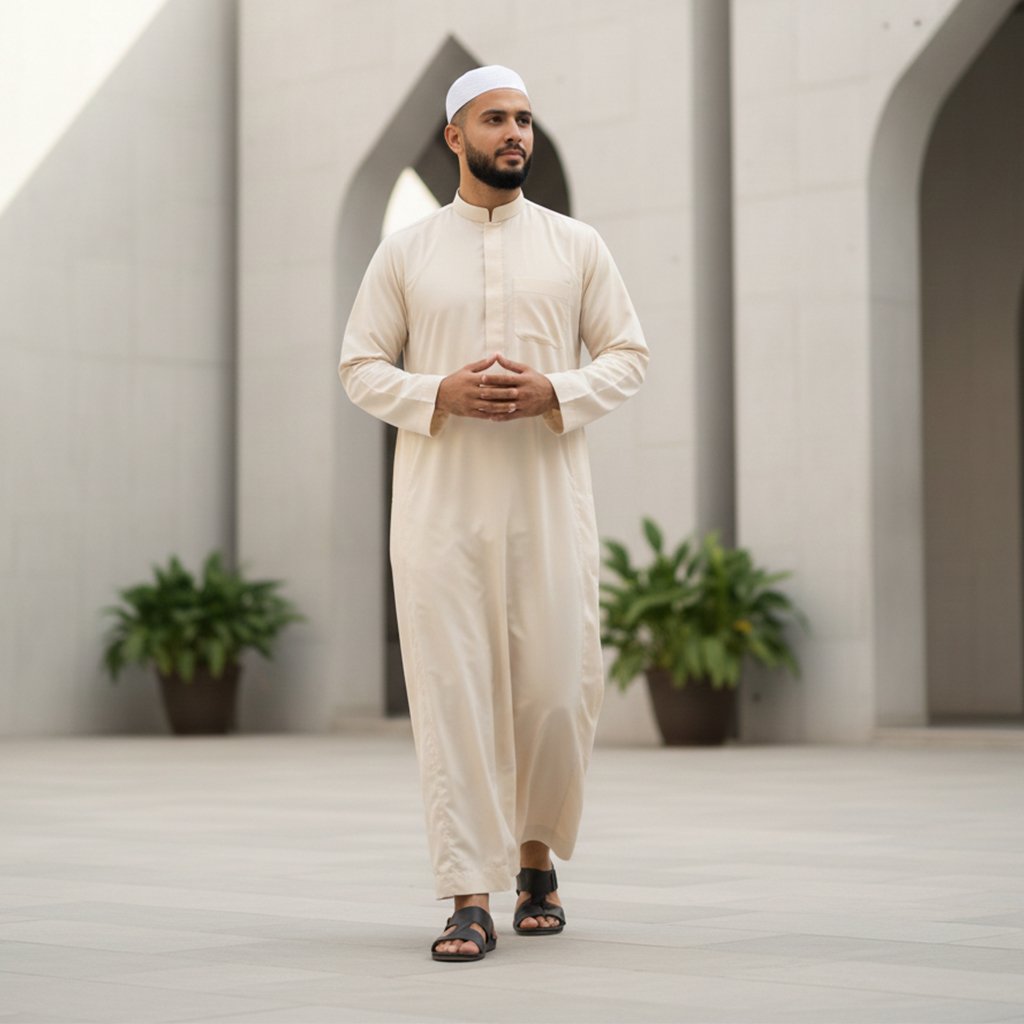
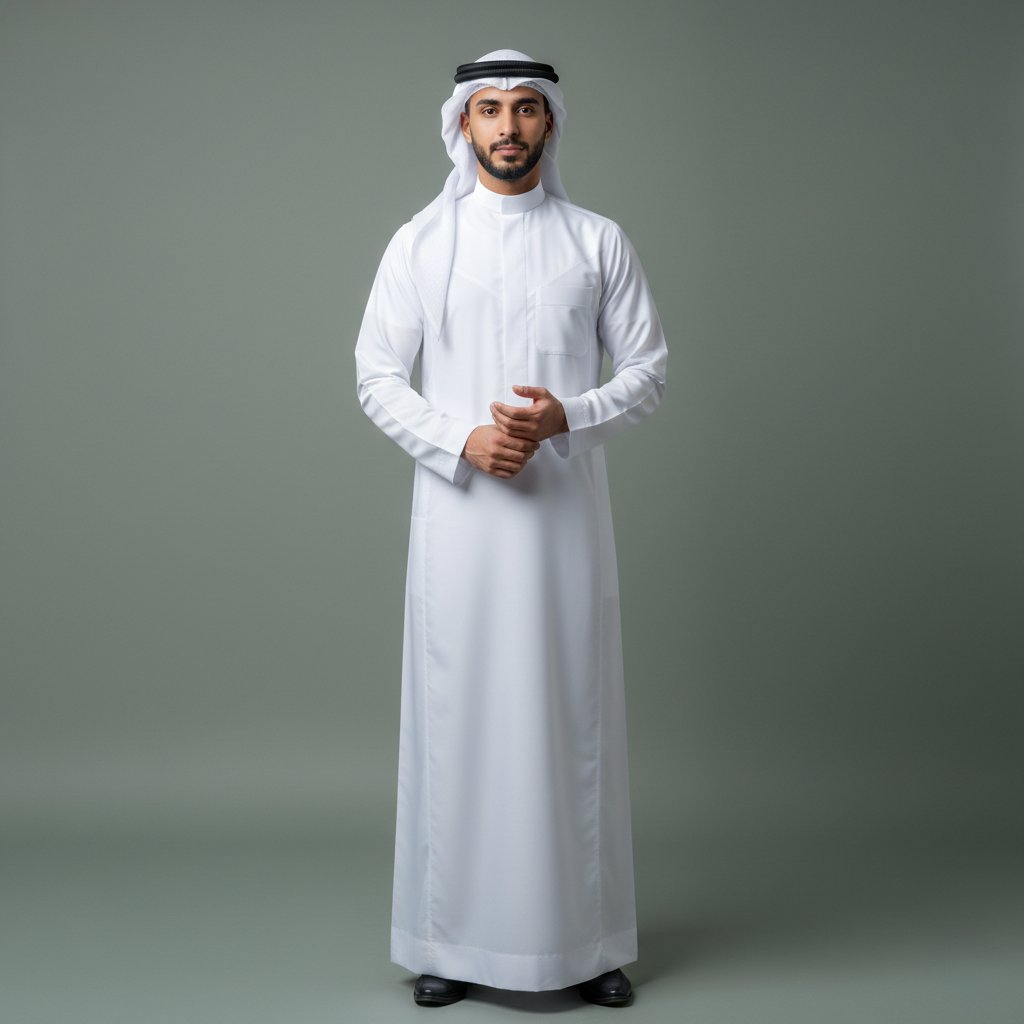
The thobe is one of the most iconic Islamic garments for men. It consists of a long, loose-fitting robe that reaches the ankles and provides modest coverage suitable for daily life, prayer, and formal occasions. Also referred to as a jubba or dishdasha in various regions, this traditional robe is worn across the Middle East, South Asia, and Muslim communities worldwide. Its design emphasizes simplicity and is often crafted from breathable fabrics like cotton or polyester blends, making it ideal for warm climates and heavy wear.
For shoppers in the UK, Men Thobes UK offers a wide range of high-quality thobes in classic and contemporary designs. These include styles like the popular Men’s White Jubba Thobe, which combines traditional modesty with modern tailoring and practical features such as pockets and comfortable sleeves for daily use or special occasions.
What makes the thobe especially versatile is its cultural adaptability: in Saudi Arabia, it’s typically plain and crisp, while other regions might feature subtle embroidery or regional tailoring touches. Regardless of the variation, the thobe remains a practical staple for prayer, community events, and festive wear, bridging tradition and modern wardrobe needs.
Thobes Available For Next Day FREE Delivery UK:
-
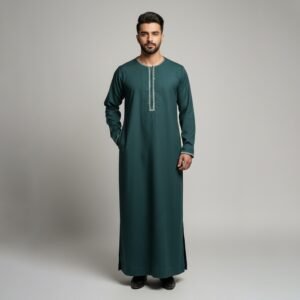
Beetle Green Embroidered Men Thobe Next Day Delivery
Any 3 Thobes for £85ClearX-Large£ 32 Select options This product has multiple variants. The options may be chosen on the product page -
Beetle Green Embroidered Men Thobe Next Day Delivery #3
Any 3 Thobes for £85 -
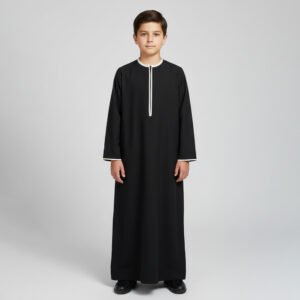
Black Kids Boy Thobe Next Day Delivery
Any 3 Thobes for £85Clear9-10Y£ 20 Select options This product has multiple variants. The options may be chosen on the product page -
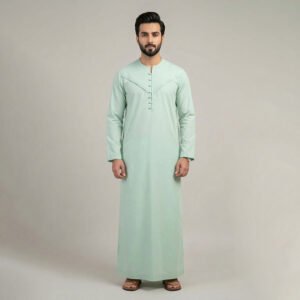
Green Men’s Omani Thobe Next Day Delivery
Any 3 Thobes for £85ClearSmallLarge£ 32 Select options This product has multiple variants. The options may be chosen on the product page -
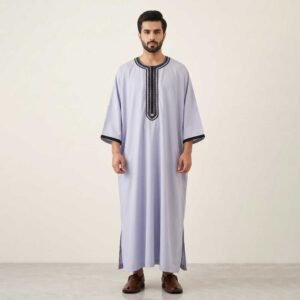
Grey Moroccan Men Thobe Next Day Delivery
Any 3 Thobes for £85ClearMediumX-Large£ 32 Select options This product has multiple variants. The options may be chosen on the product page -
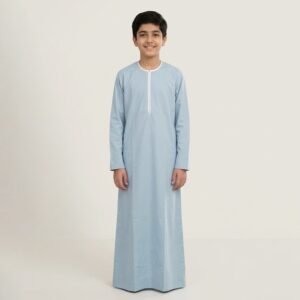
Metallic Silver Boys Thobe Next Day Delivery
Any 3 Thobes for £85Clear12-13Y£ 20 Select options This product has multiple variants. The options may be chosen on the product page -
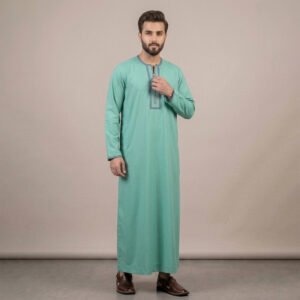
Modern Mint Green Thobe
Any 3 Thobes for £85ClearSMLXL£ 38 Select options This product has multiple variants. The options may be chosen on the product page -
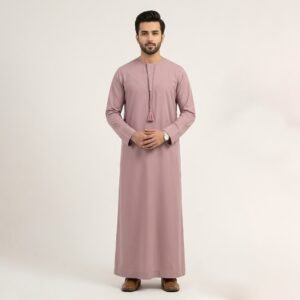
Pale Pink Moroccan Men Thobe Next Day Delivery
Any 3 Thobes for £85ClearMedium£ 32 Select options This product has multiple variants. The options may be chosen on the product page
Shalwar Kameez
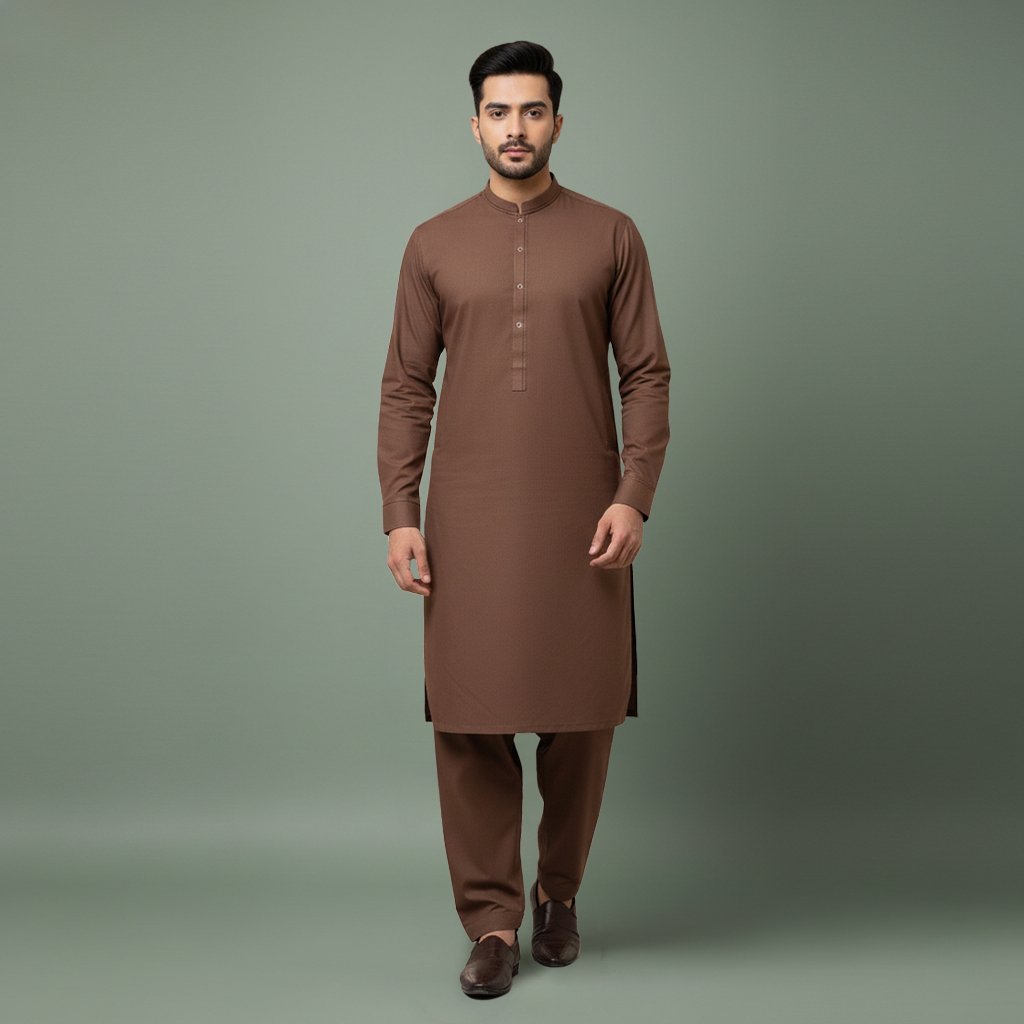
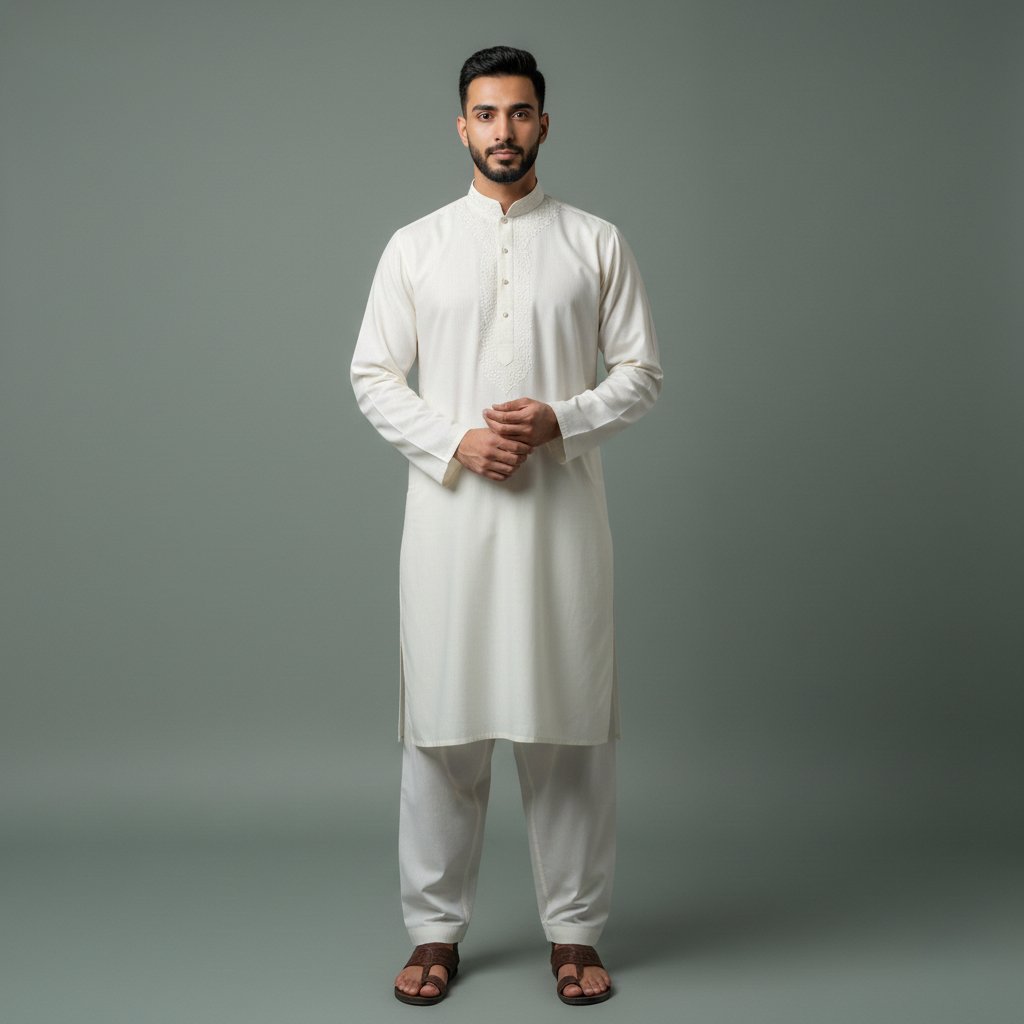
The shalwar kameez is another classic Islamic attire, especially popular in South Asia. It consists of a long tunic (kameez) paired with loose trousers (shalwar).
Known for its relaxed fit and cultural roots, the shalwar kameez is widely worn by Muslim men in Pakistan, India, and Bangladesh. Its versatility allows it to serve both casual and formal purposes, whether attending mosque services or social celebrations.
Fabrics Commonly Used in Islamic Garments
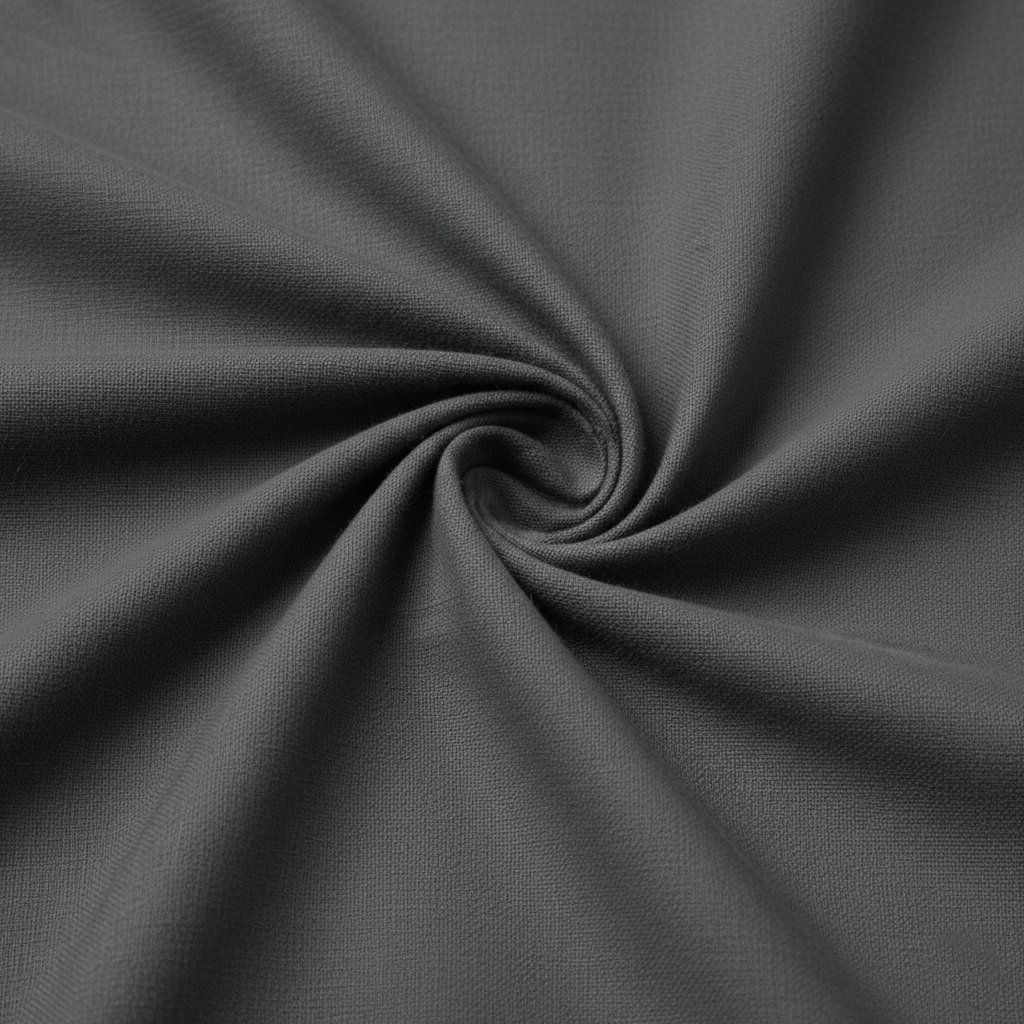

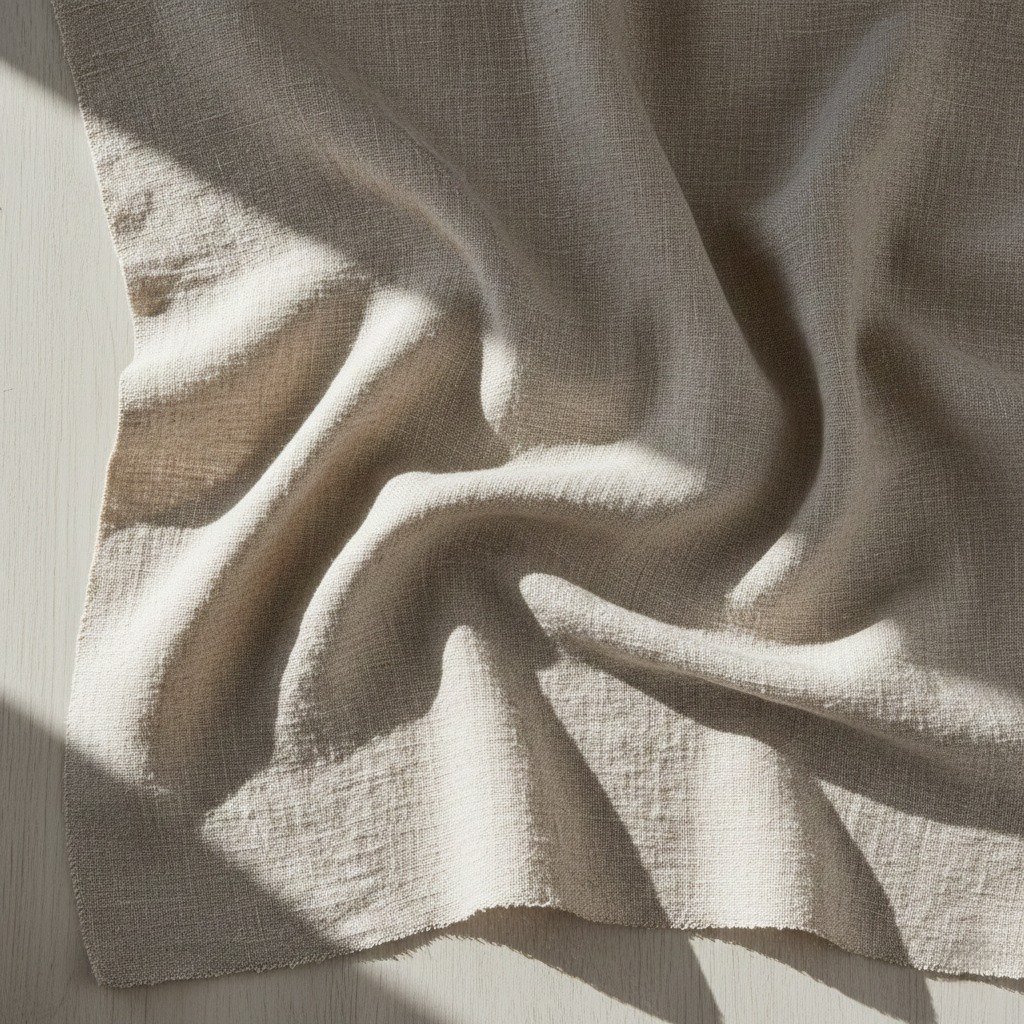
Choosing the right fabric for Islamic garments is influenced by the following 3C factors: custom, comfort, and climate.
One of the most widely used materials is cotton, prized for its breathability, softness, and moisture absorption. Ideal for everyday wear and long prayer sessions, cotton keeps the body cool and comfortable, especially in hot climates like the Middle East.
For those who prefer low-maintenance clothing, wash & wear fabrics such as polyester-cotton blends are popular. These blends combine cotton’s comfort with polyester’s durability, wrinkle resistance, and ease of care, making them excellent for busy lifestyles or frequent travel.
Blended fabrics further enhance garment performance. Combining cotton with linen improves airflow and moisture wicking, while blends with polyester increase strength and longevity. These hybrid fabrics strike a balance between comfort and durability and prove suitable for a range of contexts from daily use to formal occasions.
Climate plays a key role in fabric choice. In warmer regions like the Gulf, lightweight, breathable fabrics outperform heavier materials. In contrast, in the UK or other cooler temperate climates, cotton-rich blends with a bit more structure can improve comfort year-round.
Conclusion
Ultimately, the right fabric enhances both the modest aesthetic and daily practicality of Islamic garments, ensuring they feel as good as they look — no matter where you live.
Ready to choose your ideal fabric? Hit up our store at Men’s Thobes UK to find silk and cotton fabrics and customized Islamic garments delivered to your door!
Visit: www.mensthobes.co.uk
Email: support@menthobes.co.uk
WhatsApp: +44 7366 424375 | +1 (672) 3802326
Follow us:
[…] Islamic garments for men — a full guide […]